WELCOME TO LAKERHOLICS
A Virtual Community for Lakers Fans
-

LakerTom wrote a new post
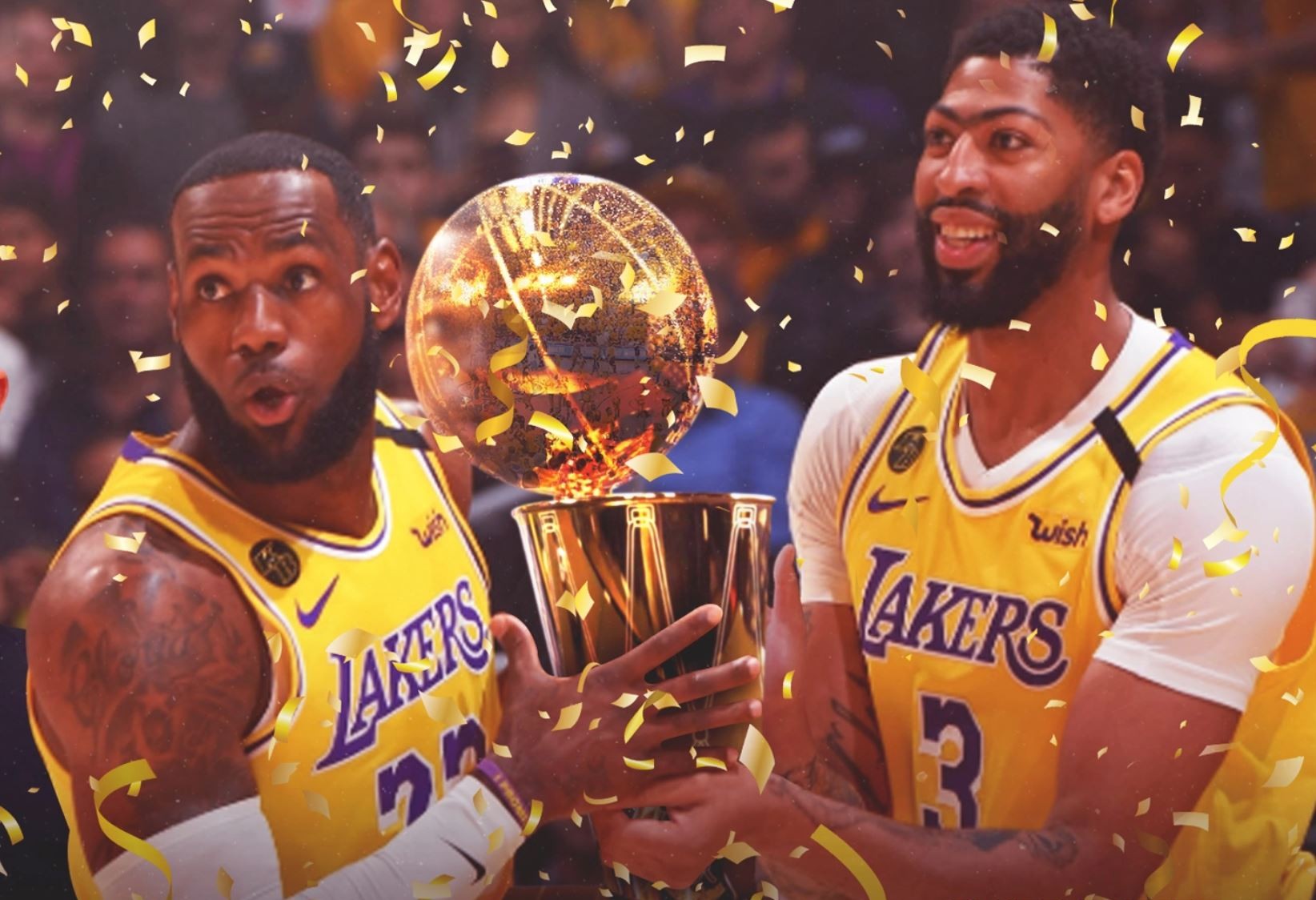
Pro sports is replete with key moments or tuning points that transformed careers and changed legacies of players and teams. LeBron James, Anthony Davis, and the Los Angeles Lakers find themselves at one of those […]

 Read More
Pro sports is replete with key moments or tuning points that transformed careers and changed legacies of players and teams. LeBron James, Anthony Davis, and the Los Angeles Lakers find themselves at one of those moments.
With the coronavirus pandemic not only threatening the current season but also the future of how we watch and enjoy NBA basketball, the legacies of LeBron James, Anthony Davis, and the Los Angeles Lakers are on the line. Whether they have an opportunity to resume play and how they perform under unexpected and unpredictable situations will go a long way towards determining how sports history views them as players and as a team.
For 35-year old LeBron James, missing a golden opportunity to win his first championship as a Laker and fourth overall would be a big disappointment while winning would add major credence to his drive to be the best ever. And it would unlock the door to the possibility of winning a second and third championship in purple and gold to not only solidify James’ position as a Lakers great but also launch him on a path to replace Jordan as GOAT.
Meanwhile, winning his first championship would solidify chances Anthony Davis would sign with the Lakers long term and give him a boost in the competition to assume the crown as the best player of the next decade. Helping lead the Lakers to the championship over the Clippers and Bucks could elevate Davis to the level of the Leonard and Antetokounmpo and give him a head start on surpassing them in the race for 2020’s supremacy.
As for the Los Angeles Lakers, winning their 17th championship would tie them with their rival Boston Celtics for the most NBA championships and make them the odds on favorites to repeat and attract another superstar. The Lakers winning could also conceivably trigger Giannis Antetokounmpo to decline a supermax offer from the Bucks this offseason to become a free agent the following offseason and possibly sign with the purple and gold.
Every great superstar legacy and franchise dynasty has been launched by a memorable title triumph and winning a championship this season could be the key to unlock the door to greatness for LeBron, AD, and the Lakers.

 liked this
3 Comments
liked this
3 Comments-
-
LeBron’s legacy was cemented when he won in a ring in Cleveland, Laker banner would be ridiculously tasty icing on a perfectly incredible cake.
-
-
-
LakerTom wrote a new post
This is the last in a series of six articles about the top NBA superstars who hope to dethrone King James as the best player on the planet over the next decade. Here are links to our five previous articles […]
 Read More
This is the last in a series of six articles about the top NBA superstars who hope to dethrone King James as the best player on the planet over the next decade. Here are links to our five previous articles covering Giannis Antetokounmpo, Kawhi Leonard, Kevin Durant, Anthony Davis, and Luka Doncic.
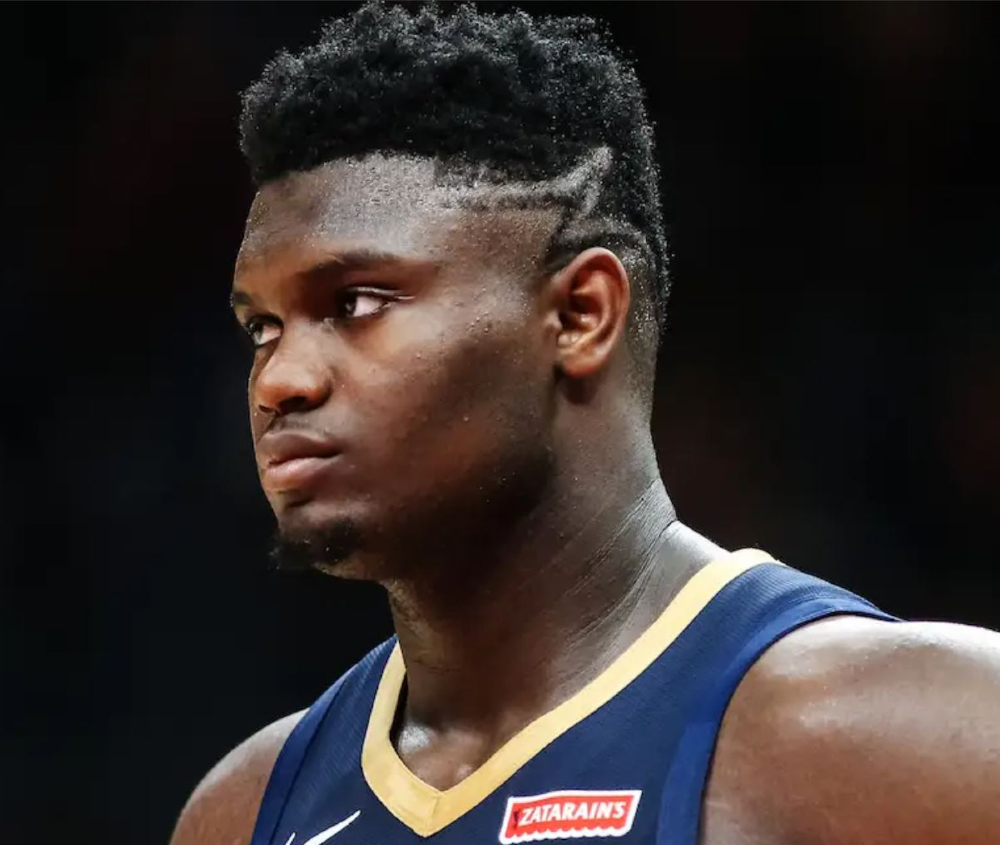
Heralded by everyone as the next LeBron James coming out of high school, the 6′ 6″, 280 lb 19-year old Zion Williamson has the freakish athleticism and otherworldly physicality the NBA has not seen since LeBron James.
The challenge for Zion to become the new king of the decade is he’s just 19 years old, not even a full season out of high school, and is likely going to need a few years to develop his game and grow into a legitimate superstar. The torn meniscus he suffered in his right knee that cost him half of his rookie season only added to the concerns certain experts had about his possible propensity to get injured because of his style of play and weight.
Despite missing the first half of the season and playing in only 19 games before the season was suspended, Zion Williamson gave fans good reasons to believe all of the hype about him being the next LeBron James were real. He not only showed flashes of the athleticism and physicality that had made him the unquestioned number one pick in the draft but also an impressive ability to shoot well from three-point range he never displayed in college.
While it may take some a couple of years to get going, Zion has the raw physical talent and athleticism to elevate his game to a level few superstars could match and is surrounded on the Pelicans by a talented young roster. Five years from now, it’s possible he could be the best player and the Pelicans one of the best teams in the league but prevailing as best player of the decade won’t be easy playing in a small market like New Orleans.
As the assumed heir apparent to LeBron James, many NBA pundits believe uber talented Zion Williamson is destined to take over the throne and rule the decade of the 2020’s much as the King presided over the 2010’s.
 liked this
1 Comment
liked this
1 Comment-
Zion Williamson is the last of my six candidates to become the best player of the 2020’s decade. Probably the most celebrated NBA rookie since LeBron James was drafted 17 years ago, Zion has a similar combination of otherworld athleticism and brutal physicality. At 280 lbs, he’s like Shaq in a power forward’s body with the handle and stroke of a shooting guard. His freakish body not only promises a level of play few in league history have been able to reach but also legitimate concern over whether he can remain healthy considering his weight and style of play.
As we’ve discussed when reviewing Giannis, Kawhi, KD, AD, and Luka, winning honors as the best player of the decade requires three things: consistent MVP performances, great health and durability, and a handful of championship rings. For a athletic marvel like Zion, the first certainly seems possible while the second and third may become his handicaps. Despite a great rookie season, injuries prevented him from legitimately being in consideration of ROY honors. And while David Griffin has done an admirable job surrounding Zion with more talent than most #1 draft picks enjoy, the truth is winning championships may be hard to do for a small market franchise like New Orleans Pelicans.
One of the big surprises for Zion’s rookie season was has ability to shoot the ball. In college, he shot a mediocre 33.7% from deep and a poor 64.0% from the line, raising concern over whether he would be able to shoot well enough to become a generational superstar in the NBA. To everybody’s surprise, Zion shot an amazing 46.2% from deep. Unfortunately, his poor 64.5% shooting from the line probably indicates that his elite three-point shooting may be an outlier, which further muddies the waters as to how good Zion can eventually become.
To prevail as the best player of the 2020’s decade, Zion will probably have to dominate the second half of the decade as most young superstars have difficulty winning in their first five years in the league. The challenge is especially tough for the Pelicans as they’re in the West and have to deal with the Lakers and Clippers and a host of well-stocked playoff teams. I hope Zion can remain healthy but it could be difficult for a high flying 280 pounder who plays recklessly above the rim. But if the young talent Griffin has assembled around him develops as hoped, he will have a shot to become a transcendent superstar and compete for best player on the planet for the next decade.
-
-
LakerTom wrote a new post
This is the 5th in a series of six articles about the top NBA superstars who hope to dethrone King James as the best player on the planet over the next decade. Here are links to our four previous articles […]
 Read More
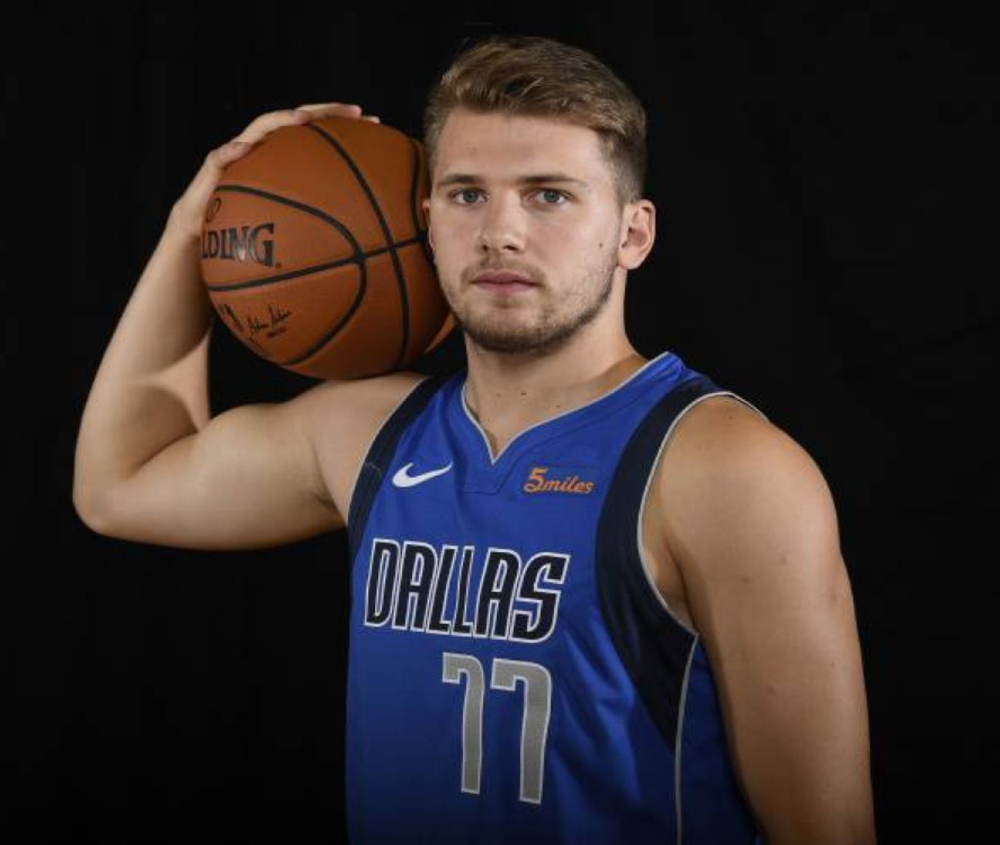
This is the 5th in a series of six articles about the top NBA superstars who hope to dethrone King James as the best player on the planet over the next decade. Here are links to our four previous articles covering Giannis Antetokounmpo, Kawhi Leonard, Kevin Durant, and Anthony Davis.
Luka Doncic looks more like the NBA version of ‘White Men Can’t Jump’ than a legit candidate to defeat an elite cast of athletically gifted superstars like Giannis, Kawhi, and KD to become best player of the next decade.
But looks can be deceiving and the 6′ 7″, 230 lb 21-year old Luka’s dramatic rise to superstar status and head-to-head exploits against proven superstars like LeBron, Giannis, and Kawhi in two short seasons have turned heads. Luka could finish the decade in the heart of his prime while competitors could be winding down their careers, bolstering the idea Doncic could be the dark horse winner in the race to be king of the NBA for the 2020’s.
To reach those heights, the Luka and KP Mavericks are going to have show they have the talent and drive to compete with championship competitors in the Wild West like the LeBron and AD Lakers and Kawhi and PG Clippers. The road for Luka Doncic to earn the title of king of the next decade not only requires multiple MVP awards and multiple NBA championships for the Dallas Mavs but also goes directly through the city of Los Angeles.
Luka Doncic is already putting up near triple-double superstar numbers in only his second season and nobody really knows how high his ceiling as a player may be since he is still only just 21-years old and not near his peak. Already averaging 28.7 points, 9.3 rebounds, 8,7 assists, Luka’s best could be something we haven’t seen in today’s modern NBA and could set new standards for what qualifies as superstar performance in the future.
While he might lack the supernatural physical talent of other candidates competing for king of the 2020’s, Luka Doncic with his savvy court sense and smarts might turn out to be the best basketball player of the decade.
liked this
1 Comment-
While the 21-year old Luka Doncic may lack the otherworldly athleticism of LeBron James, Giannis Antetokounmpo, Kawhi Leonard, Kevin Durant, or Anthony Davis, the numbers he is putting up in just his second year in the league tell an entirely different story. There may not be another young superstar who has as savvy or well rounded offensive game. He has the size of Magic Johnson, the shooting touch of Steph Curry, and the passing ability of Jason Kidd. And while he has played pro ball since he was in his teens, he is just getting started.
His biggest hurdles may be that he does not have a legitimate co-superstar, plays for the Dallas Mavericks, and has several more athletic and flashy superstar competitors in the Western Conference. And he’s white and not an explosive athlete. The big question is how high is his ceiling and can he rack up the championship rings you need to become the best player of the 2020’s decade?
Ignoring Luka could be a big mistake as he could develop into the next Larry Bird and surprise everybody. He is that savvy and smart of a competitor with marvelous skills. To me, he is the closest thing I’ve seen to Larry Bird to come around. There is just something about his confidence and competitiveness that reminds me of Larry. I still think he’s a long shot to be player of the decade and could end up being stuck in Dallas for his entire career.
Of all the superstars we’ve talked about possibly joining the Lakers someday, Luka tops my list. When LeBron retires, the Lakers will need a great point guard who can do what LeBron does for AD and the perfect candidate is Luka Doncic. Luke will be in his mid 20’s when he has his first chance to become a free agent. AD would be in his early 30’s. They would be a match made in heaven in my opinion. Kind of like a reincarnation of LeBron James as far as skills and smarts.
-
-
LakerTom wrote a new post
This is the 4th in a series of six articles about the top NBA superstars who hope to dethrone King James as the best player on the planet over the next decade. Here are links to our three previous articles […]
 Read More
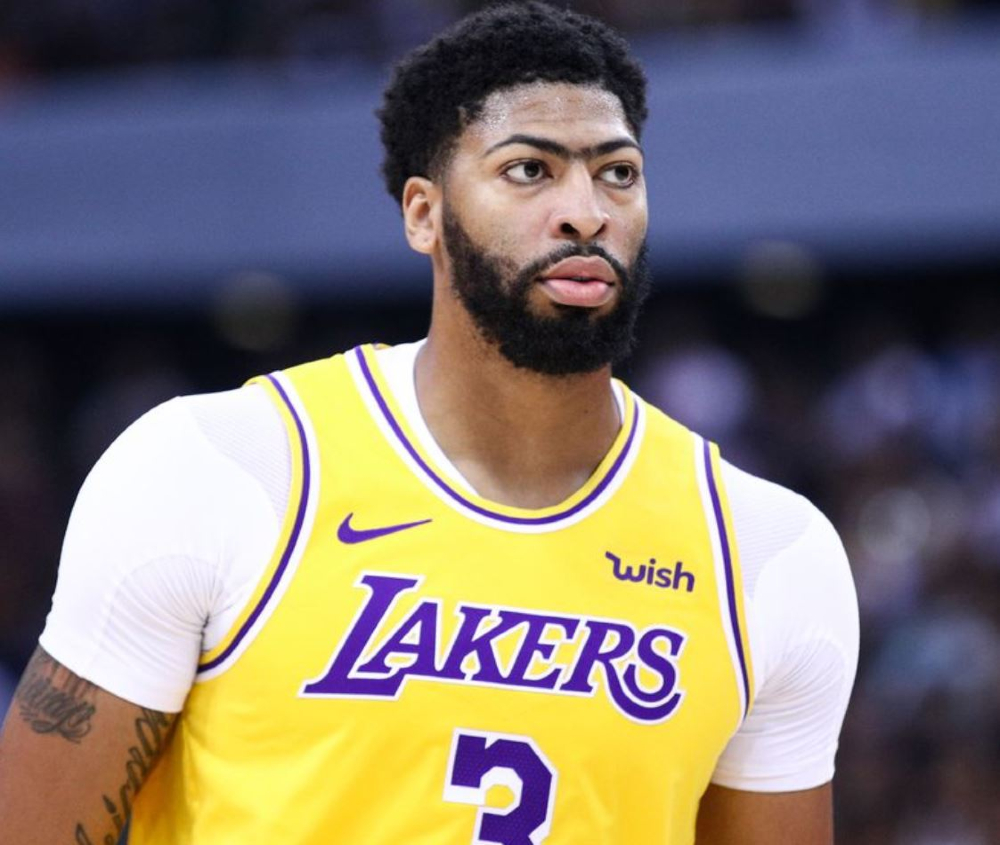
This is the 4th in a series of six articles about the top NBA superstars who hope to dethrone King James as the best player on the planet over the next decade. Here are links to our three previous articles covering Giannis Antetokounmpo, Kawhi Leonard, and Kevin Durant.
Despite spending his first seven years with the Pelicans out of the spotlight and his year with the Lakers in the shadow of LeBron James, Anthony Davis has the physical talent and basketball skills to be king of the next decade.
Like the 25-year old Antetokounmpo, the 6′ 10″, 250 lb 27-year old Davis is young enough to enjoy a championship caliber career that could span the entire decade of the 2020’s much like James did for the decade of 2010’s. And unlike the 28-year Leonard or 31-year old Durant, Davis has been able to avoid suffering any major injuries and could have the opportunity to play at his highest possible level for the entire decade, including the last years.
The keys to Anthony Davis replicating LeBron James’ decade long reign as the king of the NBA will be his ability to win multiple NBA championships with the Lakers before LeBron retires and dominating the post James era. That will require the Anthony Davis and LeBron James Lakers to prevail over the Kawhi Leonard and Paul George Clippers, Giannis Antetokounmpo and Khris Middleton Bucks, and Kevin Durant and Kyrie Irving Nets.
The challenge Anthony Davis will face to be the best player on the planet for the next decade is proving he can break out from LeBron’s shadow and lead the Lakers to championships in the 2020’s years after James has retired. Taking the torch from LeBron James as superstar leader of the Los Angeles Lakers just as LeBron James took the torch from Kobe Bryant would make Anthony Davis the favorite to take the throne as best player of his decade.
While Anthony Davis may not be the favorite for best player of the 2020’s, he has the talent and position to pass the younger Giannis Antetokounmpo as well as the older, more injury plagued Kawhi Leonard and Kevin Durant.
liked this
1 Comment-
While I am obviously biased as a Lakers fan who’s just been overwhelmingly impressed watching AD dominate at both ends of the court playing alongside LeBron, I firmly believe Anthony is the favorite to win the mantle of best player of the 2020’s decade. My three critical criteria – age, injuries, and championships – all work in Davis’ favor.
At just 27, Anthony should be in his prime through most of this decade. While suffering minor dings, he has also not suffered any major injuries. That gives him a huge advantage over the older and more injury prone Durant and Leonard. AD could easily play through his late 30’s just like LeBron because his game is one based on skill and talent as much as otherworldly athleticism and physicality.
Finally, championships. This is where playing for the Lakers and with LeBron becomes a huge plus. There’s a good reason 6 of ESPN’s top ten NBA superstars were Lakers and why the franchise has won 16 championships. I believe AD could win 2 or 3 rings with LeBron in the first half of the decade and chances are the Lakers will pair him with another superstar or two for the second half of the decade.
Bottom line, if the Lakers dominate this decade, Anthony Davis will be the favorite to win take the best player of the decade crown from LeBron James for the 2020’s. His only legitimate competition could be Giannis Antetokounmpo, but only if he ends up joining AD on the Lakers.
-
-
LakerTom wrote a new post
This is the 3rd in a series of six articles about the top NBA superstars who hope to dethrone King James as the best player on the planet over the next decade. Here are links to our two previous articles […]
 Read More
This is the 3rd in a series of six articles about the top NBA superstars who hope to dethrone King James as the best player on the planet over the next decade. Here are links to our two previous articles covering Giannis Antetokounmpo and Kawhi Leonard.
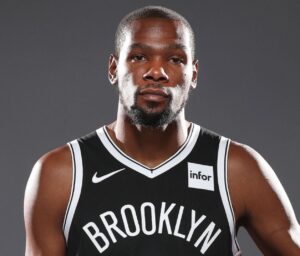
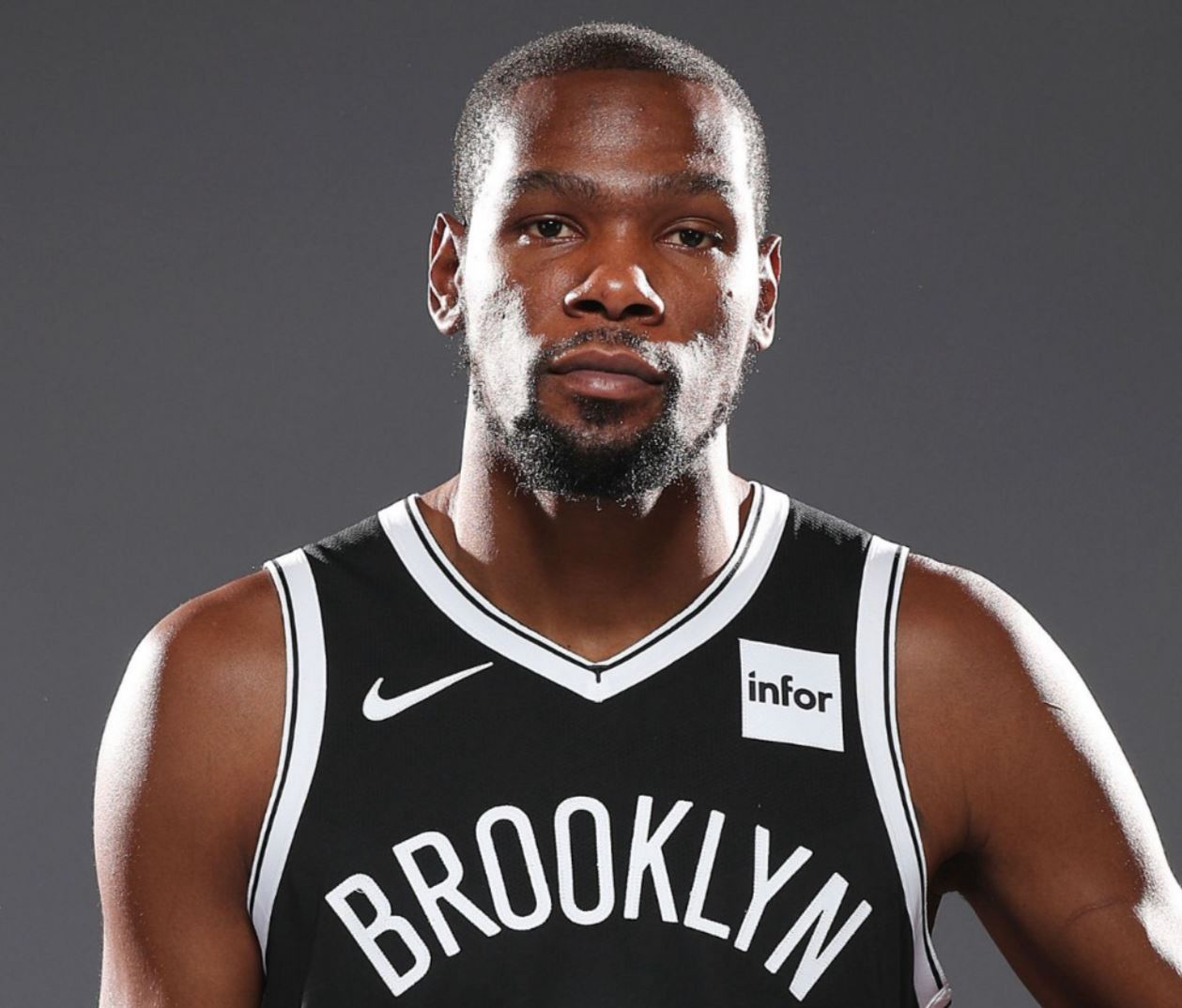
A two-time NBA Finals MVP and NBA champion, Kevin Durant was another superstar whom, like Giannis Antetokounmpo and Kawhi Leonard, analysts believed had surpassed LeBron James to be the best player in the league.
Even though age and recent Achilles injury have taken some of the luster off his chances to dethrone James and become the best player of the 2020’s, the 6′ 10″, 240 lb 31-year old Durant cannot be discounted as a candidate. Before his injury during last year’s Finals, many experts considered Kevin to be the best player in the NBA after leading the Golden State Warriors to back-to-back championships over LeBron and the Cleveland Cavaliers.
Now with his third team in twelve years, Kevin Durant has joined Kyrie Irving and a talented young Brooklyn Nets team that should be one of the favorites to challenge the Milwaukee Bucks as the best team in the East. Like Giannis and the Bucks and Kawhi and the Clippers, Kevin and the Nets will need to become a dominant team and win multiple NBA championships for him to have a chance to earn honors as the best player of the decade.
How KD recovers from his torn Achilles will determine whether he’ll be able to come back and be included in the conversation as to which superstar will assume the throne from LeBron and become the king for the next decade. The 31-year old, Durant will face an uphill battle not only to regain the transcendent ability he had before the injury but also to stay relevant and rule for an entire decade in the 2020’s as LeBron did during the 2010’s.
If Kevin can fully recover from his Achilles injury and with Kyrie turn the Brooklyn Nets into an NBA long-term dynasty, he could then beat the long odds and be able to replace LeBron as the NBA king of the next decade.
liked this
1 Comment-
Like we discussed, age, injury, and championships are the key to winning honors as the best player for the next decade. For KD, that means two strikes due to age and injury, which is amazing considering just a year ago there was talk he had surpassed LeBron to become the best player on the planet.
Becoming the best player of the 2020’s decade, however, is a much more challenging accomplishment and I think KD probably has the least chance of the the three candidates we have discussed with Giannis still the favorite of the three because of age and lack of injuries while Kawhi and KD both are long shots specifically because of their age and injury history.
-
- Load More Posts

TOM WONG
Founder and Publisher
“Welcome to the new Lakerholics website. We wanted to create a place that would become the favorite online home for informed and passionate Lakers fans.
Please click ‘CONTACT US’ and let us know how we did, ‘JOIN US’ to become a member, or ‘SUBSCRIBE’ to receive our newsletter.
We promise to open your eyes, ears, and mind to brand-new purple and gold world.”
-LakerTom
FEATURED POST
5 Things: Finding Some Grit
65 games in and the team is starting to look a little sterner, little grittier. One of the ugliest first halves I’ve seen since the 90’s man. The win was one of the more impressive of the season, in my opinion. 1) Luka finding solace on the court. Sounds like his personal life has been […]
FEATURED PODCAST
NBA Observations- Big Money Spent For The Clippers And Heat, Are The Lakers Next?
The guys from the Lakers Fast Break return for some NBA Observation as they share thoughts on the recent big-money extensions for Miami coach Erik Spoelstra and the Clipper’s Kawhi Leonard. Does this mean the Lakers will be opening up their wallet a little more as well? Plus after Toronto Raptors coach Darko Rajakovic’s huge rant after the Lakers game because of the fourth-quarter free throw disparity, we ponder if Darvin Ham will ever show that kind of energy if he remains as the guys on the sidelines for LA. We’re back talking some big $$$, and wondering if the Lakers are ready to go on a spending spree? Find out our thoughts on the latest Lakers Fast Break podcast!
Don’t forget to watch the Lakers games with us LIVE at playback.tv/lakersfastbreak and our newest Lakers Fast Break merchandise site is now up at https://tinyurl.com/39yb4ta3, check it out!
Please Like, Share, and Subscribe to our channel and our social media @lakersfastbreak on Twitter.
If you have questions, give us a shout-out on Twitter, YouTube, Twitch, Kick, Instagram, TikTok, or Facebook, or send us your thoughts to lakersfastbreak@yahoo.com or become a supporter of the Lakers Fast Break today at https://anchor.fm/lakers-fast-break
The views and opinions expressed on the Lakers Fast Break are those of the panelists or guests themselves and do not necessarily reflect the official policy or position of the Lakers Fast Break or its owners. Any content or thoughts provided by our panelists or guests are of their opinion and are not intended to malign any religion, ethnic group, club, organization, company, individual, anyone, or anything.
Presented by our friends at lakerholics.com, lakersball.com, Pop Culture Cosmos, Inside Sports Fantasy Football, Vampires and Vitae, SynBlades.com, YouTube’s John Mikaelian, the novel Congratulations, You Suck (available at Amazon and Barnes and Noble), The Happy Hoarder, EmpireJeffTV, Larry Lakers Dribbling Chat Chat, Lakers Corner, and Retro City Games!
FEATURED TWEET
Lakers stars used speed and space of transition as stage for talent
https://twitter.com/Lakers/status/1437491268544835595
LAKERHOLICS LINKS
Library of Links to Everything Lakers
LAKERHOLICS MEMBERS
A Los Angeles Lakers Community
ABOUT LAKERHOLICS
Dedicated to Kobe and Gigi Bryant

Recent Comments



WHO’S ONLINE



[who-is-online-now]
When opportunity knocks, great players and teams answer. That’s how legacies are built. We all knew when the Lakers signed 35-year old LeBron James that the clock was clicking and LeBron’s and the Lakers’ championship window was not as long as the four-year contract he signed. The fact that he would be 39-years old and had a player option in the last year of that contract pretty much limited the King’s and the Lakers championship window to a maximum of three years.
After James’ injury and failure to consummate the trade for Anthony Davis cost the Lakers the first year of that contract, it became critical to LeBron and the Lakers that they win a championship in the second year of James’ contract or risk seeing that window close as his age increased and opportunity diminished. Then, after enduring the untimely death of team icon Kobe Bryant and right when the Lakers had peaked and took over the top spot in most of the league power rankings by defeating their two nemises Bucks and Clippers back-to-back, Rudy Gobert tested positive for Covid-19 and the NBA suspended the 2019-20 season. Suddenly, it looked like the second year of James’ four-year contract might go the same way as the first year.
But after two months of shelter-in-place and social distancing, it appears that the NBA has a good chance to resume the season in late July and finish the turbulent year with playoffs lasting until late September, meaning hopes of LeBron, AD, and the Lakers to win their 17th NBA championship is still alive. What’s become clear during the two month hiatus from games, however, is just how critical winning this championship could be the future legacies of LeBron James, Anthony Davis, and the Los Angeles Lakers. To put it simply, this is a must win season for LeBron, AD, and the Lakers. It’s an opportunity that almost was lost and now, that it’s back on the table, it’s an opportunity they cannot afford to miss as doing so could derail the future legacies of all of them.
While losing could lead to future struggles to remain elite, winning the championship would unlock doors to greatness. LeBron could take a major step at changing his destiny to be recognized not only as one of the greats of the Lakers franchise but also help him surpass Michael Jordan at the GOAT. Anthony Davis could take over the lead as the NBA superstar most likely to rule the decade of the 2020’s like his teammate James ruled as the best player on the planet for the decade of the 2010’s. And the Los Angeles Lakers could not only tie but also set the stage to supplant the Boston Celtics as the NBA franchise with the most championships in the history of the league. If there’s a path to the Lakers convincing Giannis Antetokounmpo to join them as a free agent two offseasons from now, winning this season’s championship is the key that unlocks that door.
The age old mantra of win or go home clearly applies to LeBron James, Anthony Davis, and the Los Angeles Lakers this season. They’re at one of those key moments and critical turning points. Losing would put their joint legacy at risk while winning would unlock the door to greatness.